If you quickly want to get in touch with us, send a message and we will get back to you as soon as we can. You can also call us +46 418-44 99 20.
What Is Reforestation?
Published: 22/09 2026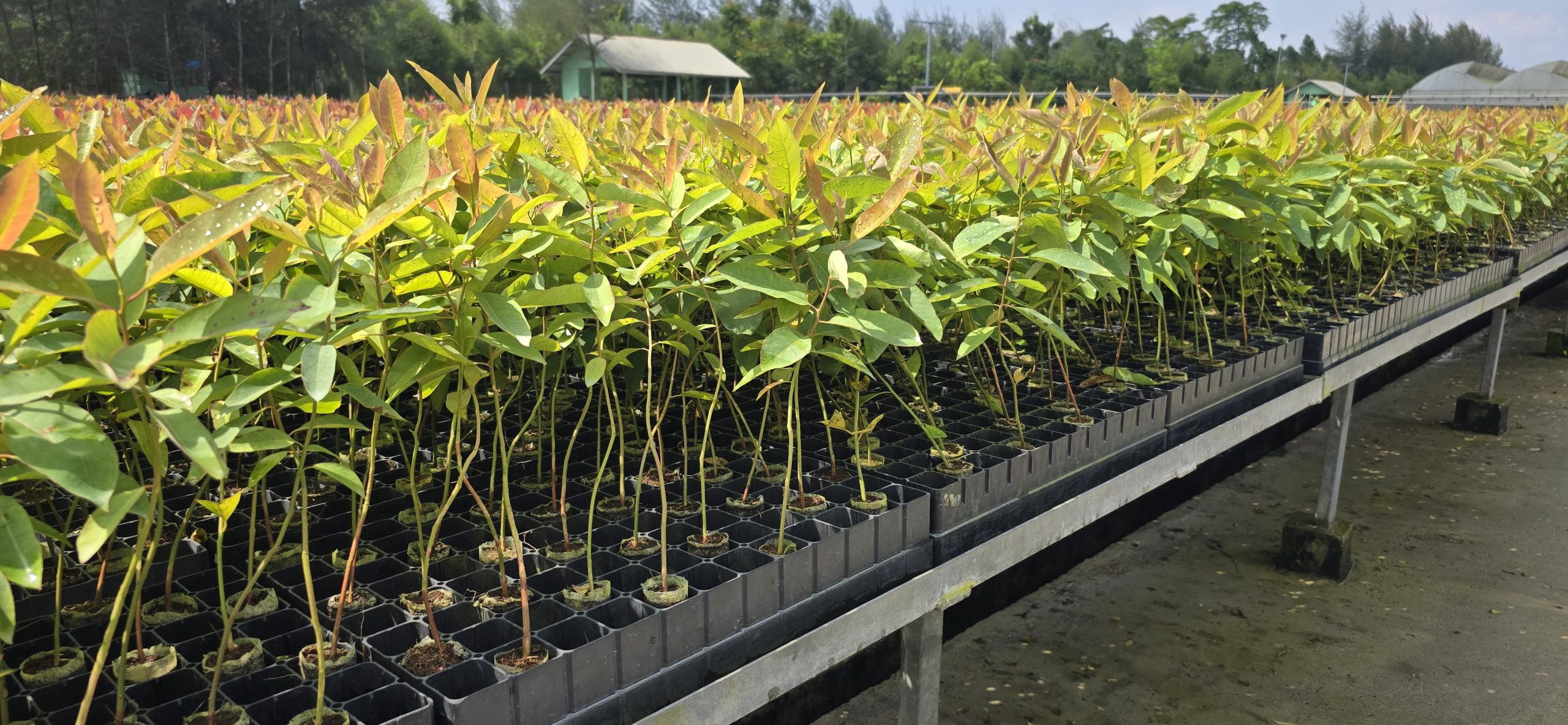
Reforestation is the deliberate replanting or natural regeneration of forests in areas where tree cover has been lost or significantly reduced. It is one of the most widely used tools for restoring ecosystems, capturing carbon, protecting watersheds and rebuilding commercial forestry stock. Yet behind every successful reforestation programme lies a quieter, more practical challenge: producing enough healthy tree seedlings to plant in the first place.
In short, reforestation depends on a reliable supply of healthy, uniform seedlings—and that supply begins in the nursery.
What Is Reforestation?
It is worth distinguishing two related terms. Reforestation means restoring trees to land that was recently forested, for example after harvesting or wildfire. Afforestation means establishing forest on land that has not been forested in recent history. Both rely on the same foundation: a steady supply of viable young trees, produced in nurseries before being planted out.
Why Is Reforestation Important?
The question of why reforestation is important has several answers that matter to commercial, governmental and NGO stakeholders alike. Forests are a primary natural carbon sink, which places reforestation at the center of many national and corporate net-zero commitments. For the forestry sector, replanting after harvest keeps timber and pulp operations sustainable over the long term.
Reforestation also protects soil and water, since tree roots prevent erosion and stabilize watersheds. It rebuilds biodiversity and habitat lost to deforestation or fire, and it offers a practical route to rehabilitating degraded or post-mining land, returning it to productive use.
How Does Reforestation Work?
A common question is how does reforestation work—and at industrial scale, it is a supply-chain challenge, not just a planting day. The process typically begins with seed sourcing and treatment, collecting and preparing genetically appropriate seed. The seed is then propagated in a nursery, sown into containers and raised under controlled conditions. This is the stage that determines quality.
From there, young plants are hardened off to acclimatize them to outdoor conditions, before being transported and planted out across the site, often by the million. Finally, the established seedlings are monitored to ensure survival through the first critical seasons. For most large reforestation programmes, the real bottleneck sits at the propagation stage: producing enough healthy, plantable seedlings, reliably, at the right time.
Forest Seedling Production: Bare-Root vs Containerized
There are two dominant approaches to producing seedlings for reforestation. Bare-root seedlings are grown directly in nursery field soil and lifted without a root ball. They are cheaper per unit but more vulnerable to root damage and transplant shock, and they come with a narrow planting window.
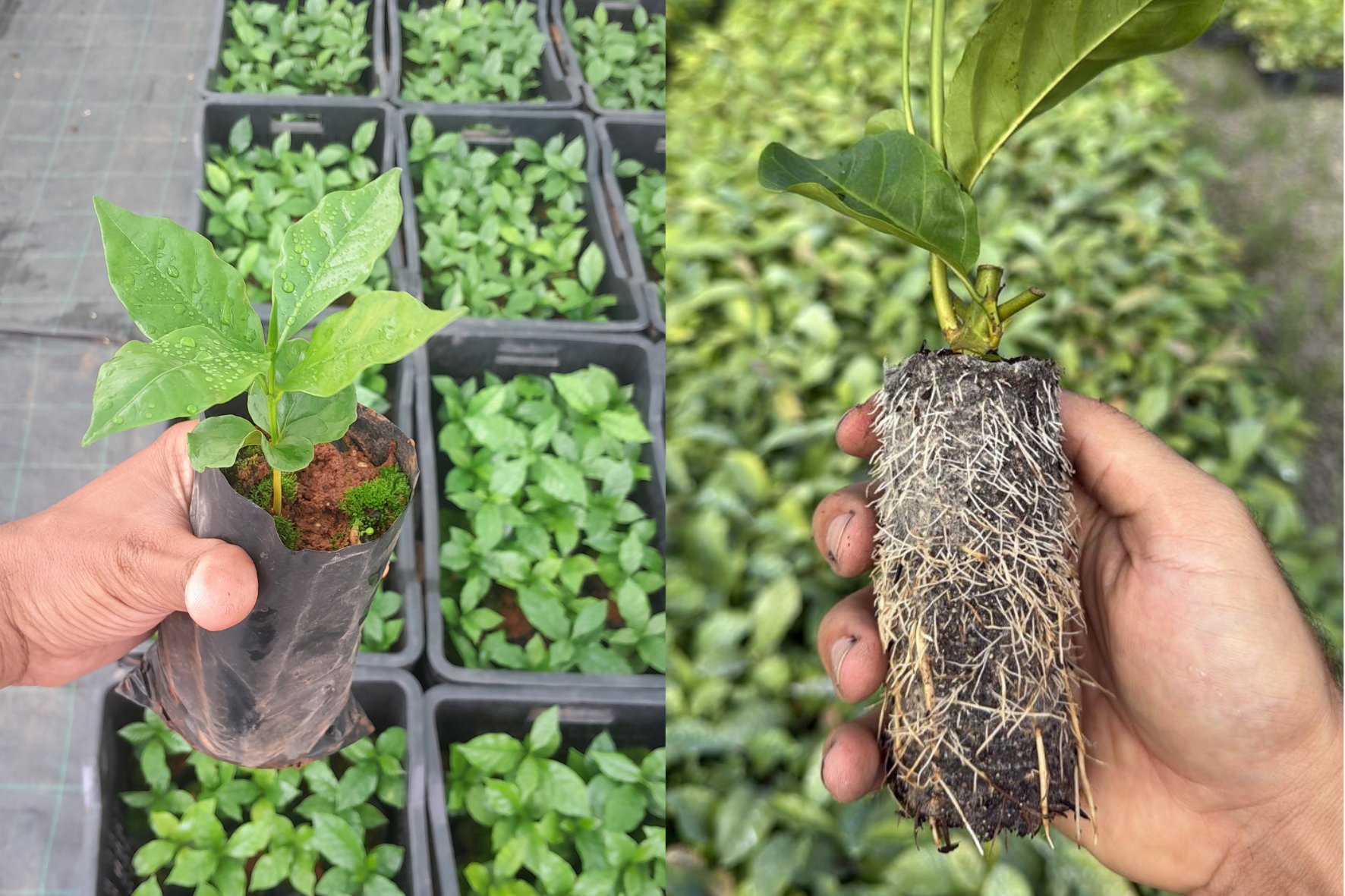
Containerized seedlings are raised in individual cells or pots, which keeps the root system intact and protected. They typically deliver higher field-survival rates, a longer planting window, more uniform and predictable plants, and better performance on difficult or dry sites. For most modern reforestation programmes—especially at scale or in challenging climates—containerized production has become the standard.
Why the Growing System Matters
When a nursery is producing seedlings by the million, small per-plant differences compound dramatically. The container and growing medium shape the final result in several ways. Systems that promote natural air pruning produce dense, fibrous, non-circling root systems that establish faster in the field. Paper-based cells can be planted whole, so roots are never disturbed at plant-out and transplant shock is minimized.
The right system also integrates with precision seeding, filling and handling equipment, which lowers the cost per seedling. And because the cells are paper-based and biodegradable, they reduce plastic waste across millions of units—an increasingly important consideration for reforestation work.
Conclusion
Successful reforestation starts long before a seedling reaches the forest. The scale, efficiency and long-term impact of any reforestation programme depend on the ability to consistently produce strong, uniform and field-ready plants. That makes the nursery—not the planting site—the foundation of successful forest restoration.
Choosing the right growing system can make a significant difference. From root development and plant quality to handling efficiency, planting performance and reduced plastic use, every stage of nursery production contributes to the final result.
FiberCell develops and supplies complete paper-based growing systems for a wide range of nursery crops, including forest seedlings and plants for reforestation programmes. From FiberCell paper to filling, irrigation and handling solutions, the system is designed to support efficient, scalable and sustainable plant production. By combining strong root development with efficient nursery processes and biodegradable paperpots, FiberCell offers a versatile solution for growers looking to improve plant quality while reducing their environmental footprint.