

If you quickly want to get in touch with us, send a message and we will get back to you as soon as we can. You can also call us +46 418-44 99 20.
Agriculture vs. Horticulture: Understanding the Key Differences
Published: 22/06 2026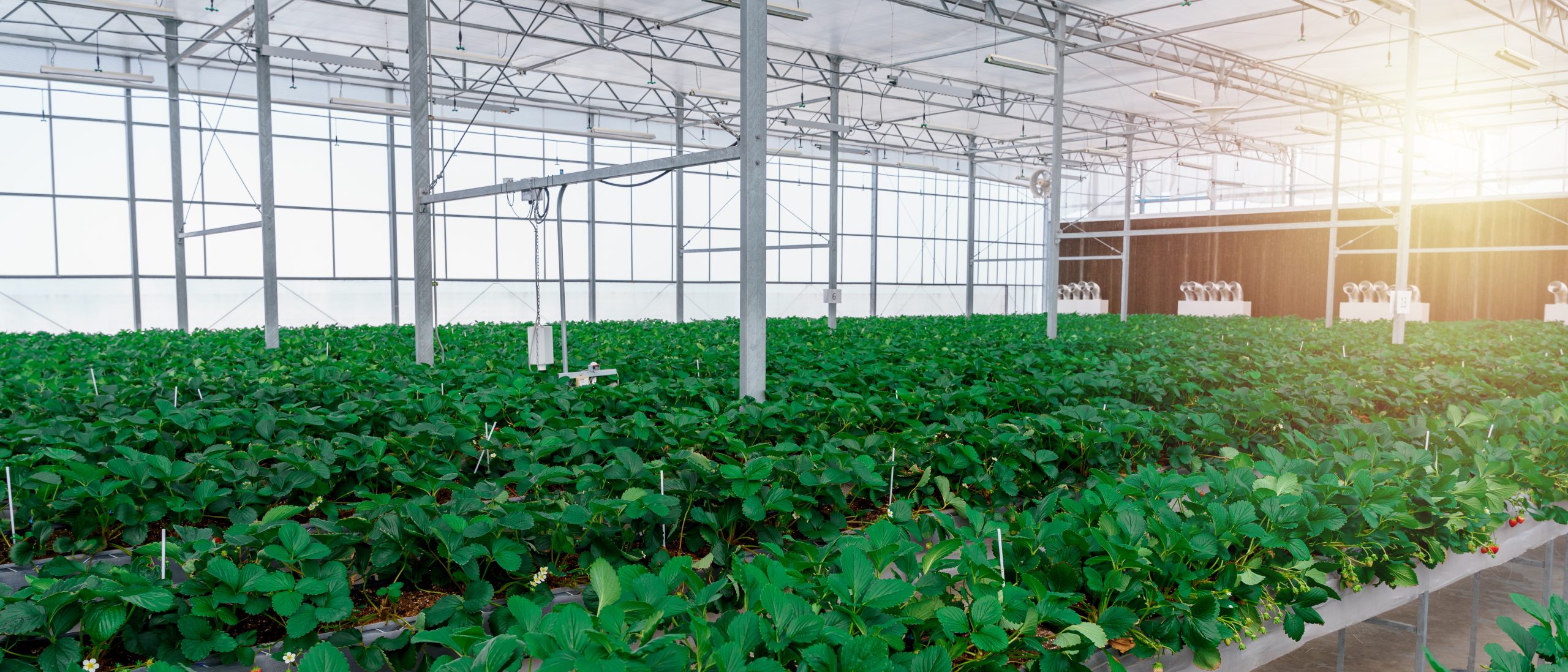
Key Takeaways
- Agriculture covers large-scale crop and livestock production. Horticulture is a specialized branch focused on intensive plant cultivation for food, ornamental use, and medicinal applications.
- The core difference is scale and precision: agriculture manages thousands of acres with heavy machinery, while horticulture maximizes plant quality on smaller footprints using controlled environments and specialized growing systems.
- Modern horticulture increasingly relies on purpose-built propagation systems—such as paper-based growing solutions—to improve root development, streamline nursery workflows, and reduce environmental impact.
The terms “agriculture” and “horticulture” are often used interchangeably, but they describe fundamentally different approaches to growing. For growers, nursery operators, and anyone involved in plant production, understanding the difference between agriculture and horticulture is more than a vocabulary exercise—it shapes the equipment you invest in, the workflows you build, and the growing systems that drive your results.
In the horticulture vs agriculture conversation, one operates at field scale with mechanized commodity production, while the other focuses on intensive, high-value cultivation where every plant matters. Whether you run a forest nursery, a commercial greenhouse, or a propagation facility for herbs and leafy greens, this distinction directly affects how you set up and optimize your operation.
Agriculture vs Horticulture at a Glance
| Factor | Agriculture | Horticulture |
| Scale | Large-scale (thousands of acres) | Concentrated (greenhouses, nurseries, orchards) |
| Focus | Staple crops, livestock, commodity production | Fruits, vegetables, flowers, ornamental and forest plants |
| Methods | Mechanized, extensive farming | Intensive cultivation with specialized growing systems |
| Propagation | Direct seeding at field scale | Controlled propagation using trays, paper pots, and growing media |
| Labor | Machine-heavy, fewer workers per acre | Skilled workforce, precision plant care and control |
| Markets | Global commodity exchanges | Fresh markets, nurseries, landscaping, forestry |
| Revenue model | High volume, lower margin per unit | Lower volume, higher margin per unit |
| Environment control | Open fields, weather-dependent | Greenhouses, shade structures, controlled environments |
What Is Agriculture?
Agriculture is the broad science and business of farming. It covers crop cultivation, livestock rearing, and commodity production at scale—wheat, corn, rice, soybeans, and cotton grown across massive expanses of land to meet global demand.
Modern agriculture relies on heavy mechanization. GPS-guided tractors, combine harvesters, and drone-assisted crop monitoring allow operations to optimize yields across thousands of acres with minimal human intervention per plant. The focus is volume: producing enough staple crops to feed billions of people and supply international commodity markets.
Soil management operates at macro level—crop rotation, broad-spectrum fertilization, and topsoil erosion prevention across entire regions. Precision agriculture is improving this, but the fundamental model remains: large tracts of land, uniform treatment, and bulk harvest.
What Is Horticulture?
Horticulture is a specialized subdivision of agriculture that focuses entirely on intensive plant cultivation—growing fruits, vegetables, flowers, ornamental plants, and forest seedlings for food, commercial use, and environmental application.
Where agriculture treats a field as a single production unit, horticulture treats every plant as an individual asset. Horticulturists control environmental factors—temperature, humidity, light cycles, substrate composition—to push plant quality and root development to their peak. This precision is what makes horticulture the natural home for advanced growing systems, including paper-based propagation solutions that give each seedling a controlled, optimized start.
The field spans five core branches: pomology (fruits and nuts), floriculture (vegetables), floriculture (flowering and ornamental plants), landscape horticulture (outdoor environments), and nursery production (seedling propagation and plant raising). For a closer look at how floriculture fits within horticulture, see our guide on horticulture vs floriculture.
Core Distinctions
Scale and Scope
Agricultural operations span tens of thousands of acres producing a single commodity crop. Horticultural operations work on a concentrated footprint—a two-acre greenhouse, a forest nursery, or a propagation facility—producing high-value plants with tight quality control. A single nursery running paper-pot propagation lines can produce millions of seedlings per season on a fraction of the land an agricultural operation would need.
Cultivation Methods
Agriculture employs extensive techniques: maximize total output by covering large areas, even if yield per plant is modest. Horticulture takes the opposite approach—intensive cultivation that maximizes the quality, health, and consistency of every plant in the system.
This intensity is why horticultural operations invest in specialized growing systems. Paper-based propagation solutions, for example, give nurseries and growers precise control over root development from day one. Each seedling grows in its own paper plug—structured for moisture retention, aeration, and natural degradation—rather than being broadcast-seeded across an open field.
Plant Care: Individual vs. Field-Wide
In agriculture, farmers apply fertilizers, herbicides, and irrigation uniformly across entire fields based on broad soil tests and regional weather patterns. The unit of management is the field.
In horticulture, the focus shifts to the individual plant or tray. A nursery operator adjusts substrate composition, watering schedules, and nutrient delivery per crop type and growth stage. Growing systems designed for this level of precision—holder trays with air-pruning construction, calibrated filling machines, and papers with specific degradation profiles—make this plant-level management operationally viable at production scale.
Growing Systems and Infrastructure
Space and Efficiency
Field crops require vast arable land and depend on unpredictable weather. A drought threatens the entire yield. Horticultural operations can mitigate this through controlled environments—greenhouses, shade structures, and indoor nurseries—that enable year-round production independent of climate.
Paper-based growing systems amplify this efficiency further. By using holders and paper plugs, nurseries maximize the number of healthy seedlings per square meter while maintaining the root quality that drives successful transplantation and outplanting survival. This makes intensive cultivation possible even where space is limited.
Labor and Operational Workflow
Agriculture is capital-intensive in machinery—fewer workers per acre, but heavy investment in tractors, harvesters, and processing equipment. Horticulture is labor-intensive and skill-dependent, with workers handling delicate tasks like grafting, pruning, and transplanting.
Modern horticultural equipment reduces manual labor without sacrificing plant-level precision. Automated tray filling machines, like FiberCell filling machines, can process thousands of paper pots per hour with consistent substrate density and placement—replacing a bottleneck that would otherwise require a large manual workforce. The result is higher throughout, lower per-unit labor cost, and more consistent plant quality across the entire production run.
Substrate and Root Management
Agricultural soil management focuses on field-scale concerns: topsoil erosion, crop rotation, and macronutrient balance across hundreds of acres. Horticultural substrate management is far more precise.
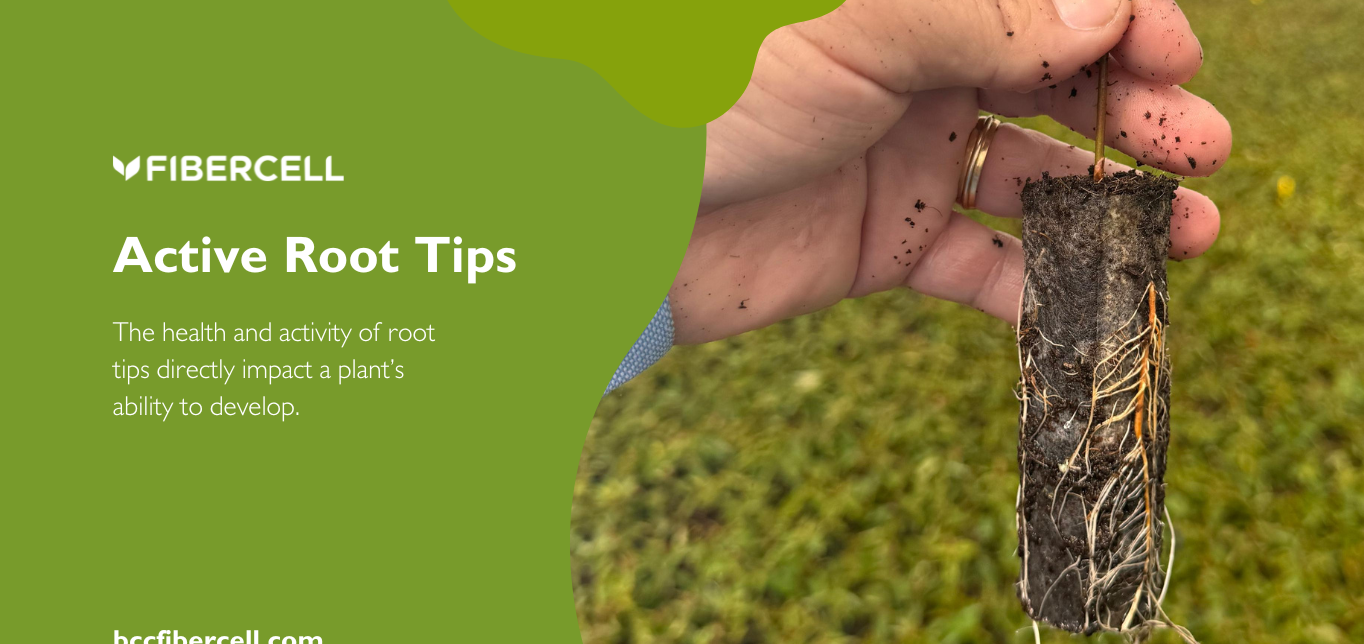
In nursery and propagation settings, professionals select substrates specifically matched to crop requirements—peat, perlite, coconut coir, peat free blends or custom blends—that get mixed in, for example a batch mixer and then transported to a filling system that fills the growing media into individual growing containers. Paper-based plug systems add another dimension: the paper itself contributes to moisture regulation and root guidance, while its controlled degradation timeline means roots grow through the container naturally, eliminating transplant shock and circling root problems common with rigid plastic pots.
Why This Distinction Matters for Your Operation
If you operate a nursery, greenhouse, or propagation facility, you are firmly in horticulture—and that shapes the decisions you make about growing systems, equipment, and workflows.
Horticultural operations benefit from systems purpose-built for intensive cultivation: growing containers designed for air pruning and root structure, papers engineered for specific degradation timelines matching your crop rotation, filling machines that deliver consistent substrate quality at production speed, and integrated systems for irrigation, sowing, and transplanting that connect into a seamless production line.
The right growing system does not just improve one metric—it compounds across the entire operation. Better root development leads to higher transplant survival. Faster filling speeds reduce labor cost per unit. Naturally degrading paper pots eliminate the disposal and environmental cost of rigid plastic. Every component in the system either adds efficiency or creates friction, and understanding where horticulture’s precision requirements differ from agriculture’s bulk approach is the first step toward optimizing your setup.
For a deeper look at how horticulture relates to the pure science side of plant research, see our comparison of botany vs horticulture.
Conclusion
The difference between agriculture and horticulture comes down to scale, precision, and how each plant is managed through its lifecycle. Agriculture powers global food supply through volume and mechanization. Horticulture delivers value through intensive, high-quality cultivation where every seedling, cutting, and transplant counts.
For growers, nursery operators, and propagation professionals, this distinction is not academic—it determines which growing systems, equipment, and workflows will drive the best results in your facility. Paper-based propagation systems, customized growing containers, automated filling equipment, and integrated nursery solutions, all which can be provided by BCC FiberCell, exist specifically because horticulture demands a level of precision and plant-level care that field-scale agriculture does not require.
Choosing the right system for your operation starts with understanding what kind of growing you do—and building your infrastructure around it.
Frequently Asked Questions
Is horticulture a branch of agriculture?
Yes. Horticulture is a specialized subdivision of agriculture. While agriculture covers all farming—crops, livestock, and commodity production—horticulture narrows the focus to intensive plant cultivation for food, beauty, and medicine. Nurseries, greenhouses, and propagation facilities all fall under horticulture.
What growing systems are used in horticulture vs agriculture?
Agriculture relies on direct seeding, heavy machinery, and field-scale irrigation. Horticulture uses specialized systems: propagation trays, paper-based growing containers, controlled-environment greenhouses, precision irrigation, and automated filling and transplanting equipment. These systems give growers control over root development, substrate quality, and plant health at the individual plant level.
Why do horticultural operations use paper-based propagation?
Paper-based propagation systems offer several advantages over traditional plastic containers: they promote natural root development by allowing roots to grow through the degrading paper, they eliminate transplant shock from root circling, they reduce plastic waste, and they come in different degradation profiles (fast, medium, slow) to match specific crop rotation timelines. This makes them practical for forest nurseries, lettuce and vegetable propagation, and ornamental plant production.
What are the main branches of horticulture?
Horticulture has five primary branches: pomology (fruits and nuts), olericulture (vegetables), floriculture (flowers and ornamental plants), landscape horticulture (outdoor environment design and maintenance), and nursery production (seedling propagation and plant raising). Each branch uses specialized growing systems and techniques suited to its specific crop and market requirements.
Continue reading
VIEW ALL NEWS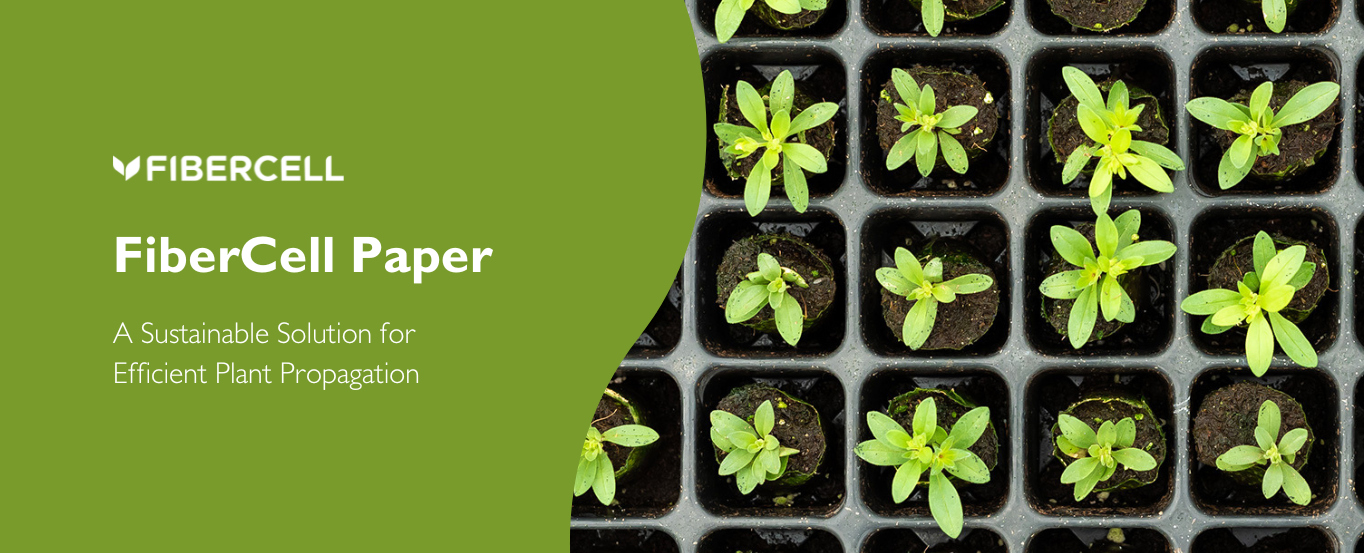
Articles, Blog Posts
FiberCell Paper: A Sustainable Solution for Efficient Plant Propagation READ MORE